Welcome to Biz Exim Thailand!



From Stalk to Style: The Journey of Hemp Fiber in Handmade Goods
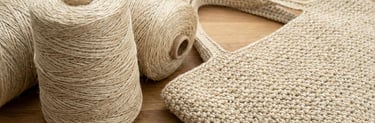
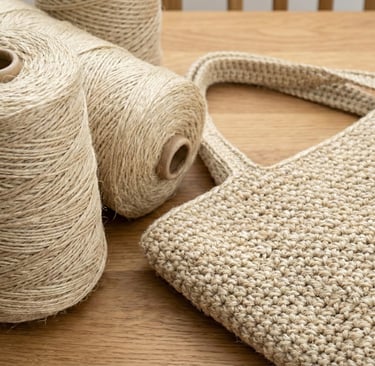
In the world of handmade crafts, few materials are as exciting, historical, and misunderstood as hemp. If you love sustainable fashion, durable bags, or earthy textures, you’ve likely encountered hemp products. But what exactly is it? Many people see a finished hemp tote bag and wonder how it started. Is it cotton? Is it jute? The truth is, hemp is one of humanity's oldest crops, used for thousands of years to make sails, ropes, and clothing. Today, it is emerging as the superstar of eco-friendly materials. In this article, we will take you on a journey from the field to the final product, explaining how this incredible plant becomes the yarn we use for beautiful handmade items.
FDM
11/15/20253 min read
Part 1: What is Hemp Anyway?
Before we look at the fiber, we must clear up the biggest confusion: Hemp vs. Marijuana.
Although they are cousins in the Cannabis family, they are very different. Industrial hemp—the kind used for bags and clothes—contains almost none of the psychoactive component (THC) found in marijuana. You cannot get "high" from wearing a hemp shirt.
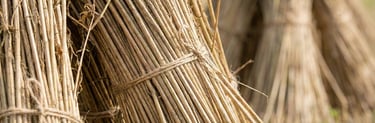
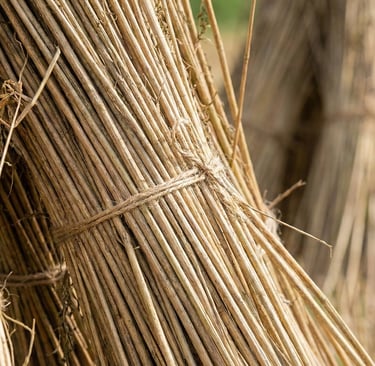
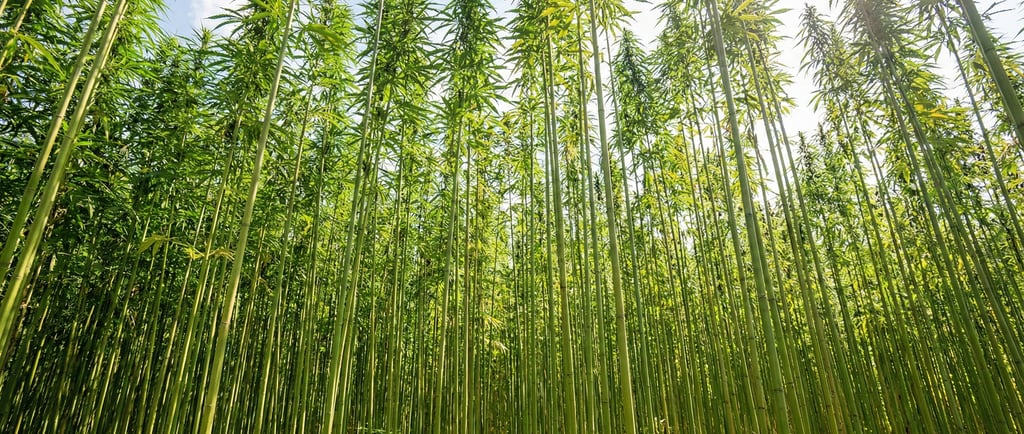
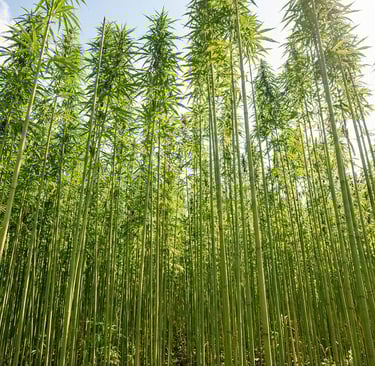
For makers, the magic of hemp isn't in the leaves or flowers; it's in the stalk. The stalk of the hemp plant is incredibly tall, strong, and fibrous. It grows very fast with little need for water or pesticides, making it highly sustainable.
Part 2: The Process - From Stalk to Fiber
How do we get soft yarn from a tough, woody stalk? It requires a fascinating process that has been refined over centuries.
The hemp stalk has two parts:
The Bast Fiber: The long, strong fibers on the outside (like the "bark"). This is what we want for textiles.
The Hurd: The woody inner core.
Here is the step-by-step journey:
1. Harvesting: The plants are cut down when they are very tall.
2. Retting (The essential step): This is the most critical part. "Retting" basically means controlled rotting. The stalks are left in the field to expose them to dew and rain, or submerged in water. Bacteria and moisture dissolve the natural "glues" (pectin) that hold the outer fiber to the woody core.
Think of it like soaking a jar in water to easily peel off a stubborn paper label.
3. Breaking and Scutching: Once dried after retting, the stalks are crushed. The woody inside breaks into small pieces and falls away, leaving the long ribbons of outer fiber behind.
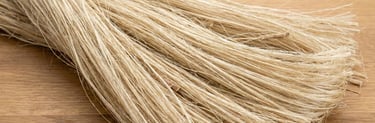
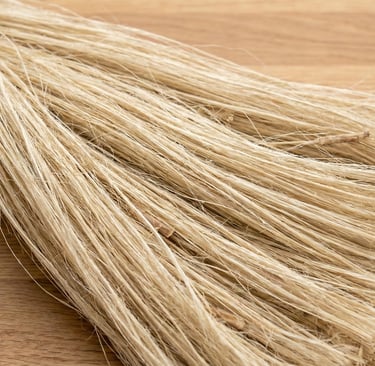
4. Hackling (Combing): The raw fibers are still a bit messy. They are pulled through large combs to straighten them out, remove any remaining woody bits, and align the fibers tightly.
Part 3: From Fiber to Fabric
Once the fibers are combed and clean, they look somewhat like flax (linen) or very coarse blonde hair.
Spinning: These long strands are twisted together—either by hand using a traditional drop spindle or by machine—to create yarn. The more twisted and refined the yarn, the softer it becomes.
For handmade bags, we often use thicker, more textured hemp yarn for durability. For clothing, the yarn is spun finer.
Weaving or Knitting: Finally, the yarn is ready for the maker! It can be woven on a loom to create rolls of hemp fabric, or the yarn can be used directly for crocheting or knitting handmade products.
Why We Love Hemp for Handmade?
Why go through all this effort? Because the end result is amazing. Hemp is one of the strongest natural fibers on the planet. A handmade hemp bag will last for years, handling heavy loads without stretching out of shape. For clothing, it is highly breathable, absorbent, and actually gets softer every time you wash it.
By choosing handmade hemp products, you are supporting sustainable agriculture and embracing a material with a rich history and a beautiful, earthy aesthetic.